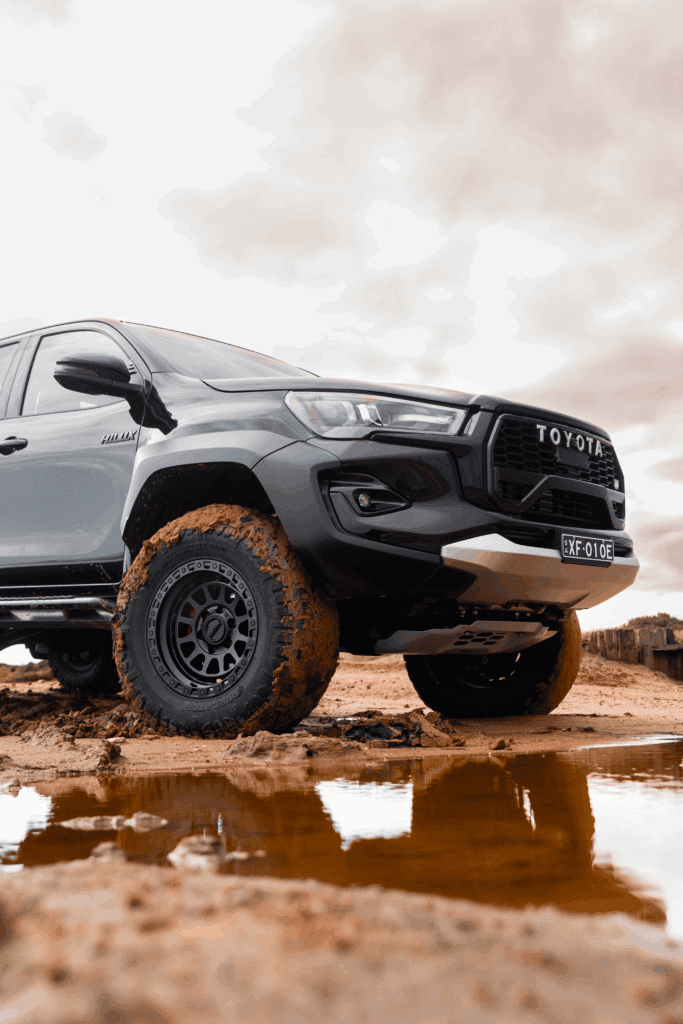
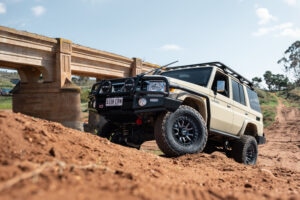
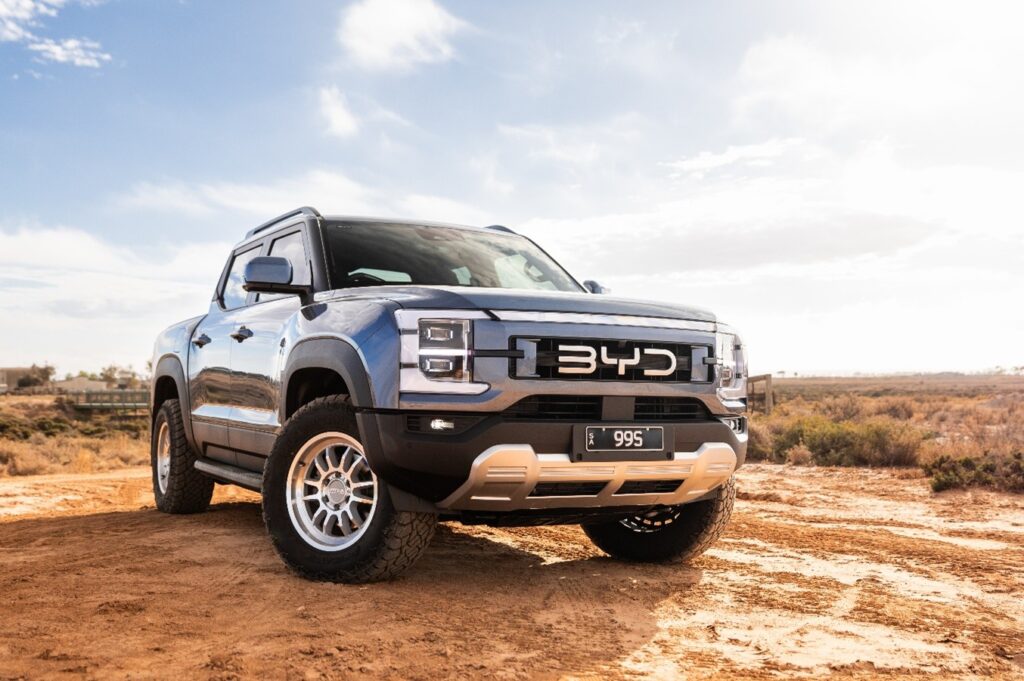
Most 4×4 drivers naturally tend to gravitate toward the tyre in the dealership with the deepest, most aggressive tread pattern, but is this the best approach? Whether you drive a Toyota Hilux or a brand new BYD Shark 6, we know the feeling, it changes the entire stance of your 4WD and signals that the vehicle is built for serious work.
But is that extra depth actually doing anything for your drive? Or are you just adding weight, noise, and a higher fuel bill for the sake of appearances?
The reality is that “better” depends entirely on where you drive.
When to Go Deep: The Mud-Terrain Advantage
There is a specific reason the Predator New Mutant X-MT looks the way it does. In Australian conditions, tread depth is often the deciding factor between getting through a track or winching out.
- Mechanical Traction: In loose earth, clay, or mud, friction isn’t enough, you need the treads to work with you to help push you along and stay moving, a deep tread will allow more opportunity for this occur.
- Self-Cleaning: After passing through some mud or clay, the deep tread voids allow whatever is stuck between the tread to get flicked out as the wheel turns, making sure the build-up doesn’t turn your MT’s into a pair of slick tyres.
- Protection: A deeper tread gauge simply puts more rubber between the terrain and the casing, offering a critical layer of armour against punctures.
If your weekends involve hunting for the hardest tracks, the extra depth of the X-MT is a necessity.
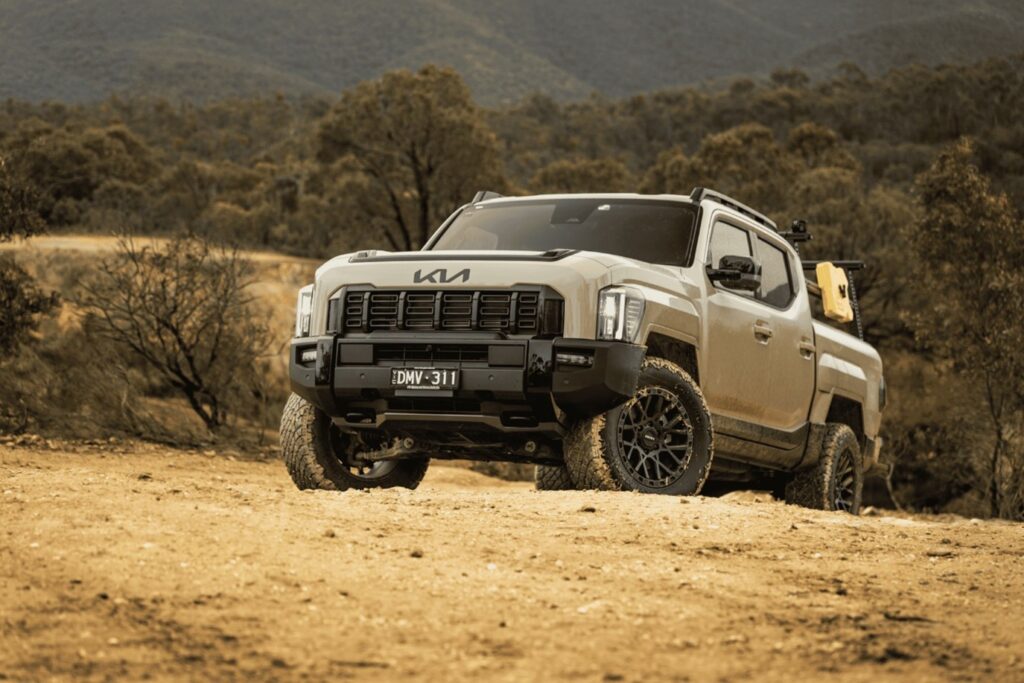
The Daily Drive: Stability and Manners
The historical trade-off for running deep, aggressive rubber was always on-road handling. While designs have gotten better, there is still some truth to this, on bitumen, tall, widely spaced tread blocks, like those on a mud tyre, tend to flex under cornering or braking. This can create a situation where the steering can feel a bit vague, not something you want when traveling down at 110km/h with a fully loaded 4WD!
This is why the New Mutant X-AT is the logical choice for most drivers who plan on doing lots of road driving. It features a tighter tread arrangement through the centre of the tyre which provides a consistent contact patch with the road and ensures the vehicle drives straight and brakes effectively without the vibration or drone of a most Mud-terrains. “Does this mean I shouldn’t go a Mud-Terrain?” Not exactly, it just truly about getting honest with the type of driving you actually do regularly, a Mud-Terrain for some drivers would be an excellent choice!
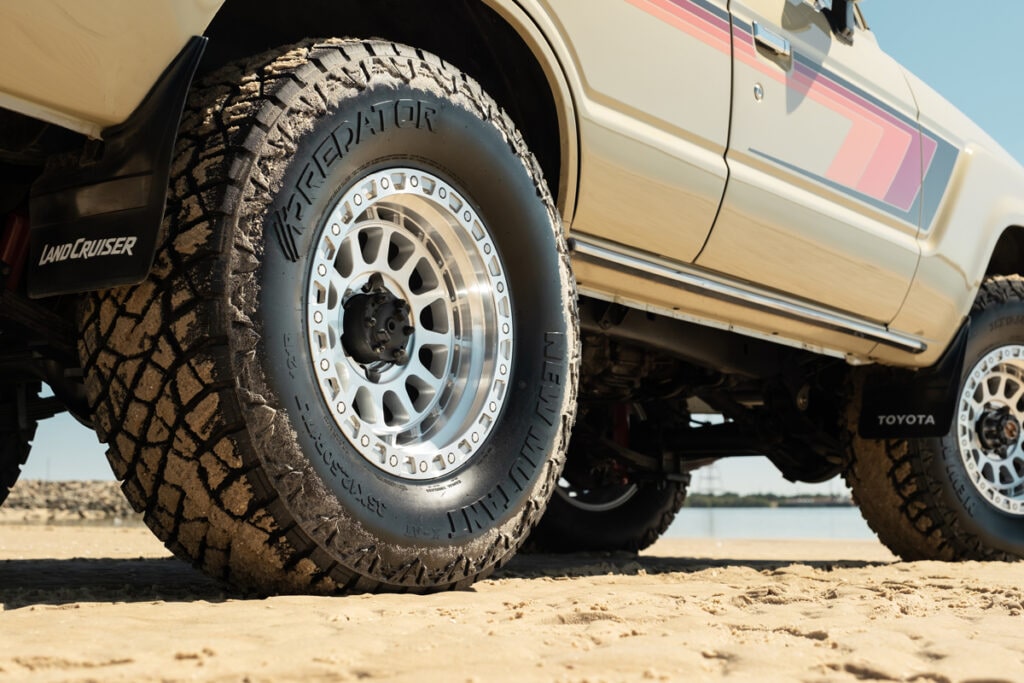
The Sand Trap: Why “More” Isn’t Always Better
The beach is often the primary location for many 4×4 drivers traveling Australia, however it creates a unique problem for MT’s. An aggressive Mud-Terrain tyre is designed to dig vertically to find traction which means if you are too heavy on the throttle in soft sand, an X-MT can act like a shovel and bury the vehicle down quickly.
The X-AT instead uses a tighter block arrangement to provide a smoother footprint. When you air down, it spreads out effectively allowing more surface area between the tyre and sand allowing the car to sit on the surface. If you plan on doing a bunch of costal and beach trips, it might a better option to skip the X-MT and go towards the Predator New Mutant X-AT instead for this reason alone.
The Verdict
For most things tyre related, it all comes back to one key aspect, what type of driving you plan on doing. If you’re sending it up harsh tracks every weekend with lots of mud and clay, then the Predator New Mutant X-MT is a no brainer. However for most drivers wanting a tread pattern better suited to on-road driving and the weekend trip away with the family, the New Mutant X-AT and New Mutant RT-Trail are the way to go.